Plumber Near Me: Why License Verification Matters in Hawaii
When someone searches for a plumber near me, the need is usually immediate and practical. A leaking water heater, a stubborn drain, a backed-up sewer line, or water showing up where it should not be can turn an ordinary day into a messy one fast. In that moment, most people focus on response time, price, and whether the phone gets answered. Those things matter. In Hawaii, though, there is another step that deserves equal weight, license verification.
That step is not red tape for its own sake. It is tied to who is legally allowed to perform plumbing work, whether permits and inspections may be involved, and whether you can confirm the person or company is current and accountable. In a place like Honolulu, where homes, condos, mixed-use buildings, and commercial properties often have aging systems, limited access, and costly water damage risks, verifying a license is one of the most practical things a customer can do before work begins.
A homeowner calling a plumber Honolulu company for a leaking fixture may think of licensing as something that only matters for major remodels. In practice, the issue comes up much more often than people expect. Hawaii regulates plumbing work through the state’s Department of Commerce and Consumer Affairs, and consumers can verify a plumber’s license status, expiration date, and disciplinary history through the official license search tools. That gives you real information, not just a business card, a wrapped van, or a polished website.
Why the state puts licensing at the center
Plumbing work affects health, safety, water use, drainage, and the condition of the building itself. If a water line is installed poorly, you may not notice it right away. A small leak behind a wall can stay hidden long enough to damage framing, finishes, and nearby units. If drainage work is done incorrectly, wastewater may not move as intended. If a water heater repair is mishandled, the result can be more than an inconvenience.
Hawaii’s rules reflect that reality. The state makes clear that electrical and plumbing contractors must employ licensed electricians and plumbers to perform the actual electrical or plumbing work. That matters because some customers assume that hiring a company with a broad “contractor” label automatically means every person doing trade work is individually qualified to do it. The state’s guidance draws a sharper line. The actual plumbing work must be performed by licensed plumbers.
That distinction is especially important when a project grows beyond a simple service visit. A call that starts with slow drainage might lead to drain cleaning, camera review, or larger sewer line repair planning. A complaint about hot water may begin with a minor adjustment and end with replacement discussions if the equipment is failing. The moment the work expands, so does the importance of knowing exactly who is doing it and under what license.
What license verification actually tells you
A lot of people hear “verify the license” and think it means asking, “Are you licensed?” That is not verification. Verification means using the state’s official tools to check current information.
In Hawaii, a consumer can confirm three especially useful points through the official system: license status, expiration date, and disciplinary history. Each one answers a different question.
License status tells you whether the credential is active or not. That is the baseline. If the status is not current, that should stop the conversation until you understand why.
The expiration date matters because licenses are not permanent. Hawaii’s contractor renewal information states that contractor licenses renew by September 30 of every even-numbered year. For the 2026 to 2028 period, on-time renewals are accepted from August 10, 2026 through September 30, 2026. Customers do not need to memorize the calendar, but they should understand that renewal cycles exist, and an old license number on an estimate is not enough by itself.
Disciplinary history adds context. It is one thing for a business to say it has been serving customers for years. It is another thing to see whether the state has recorded discipline tied to that license. That does not automatically decide whether you hire the company, but it gives you information you would otherwise miss.
For anyone hiring a plumber Oahu residents can trust, this is one of the few checks that takes only a few minutes and produces useful, objective facts.
Hawaii’s permitting rules raise the stakes
License verification becomes even more important when permits enter the picture. According to state guidance, consumers should hire a licensed contractor for projects over $1,500 in labor and materials or for any project needing a building, electrical, or plumbing permit. That guidance covers a lot of work people do not always think of as major.
A customer may call for leak detection after seeing a wet cabinet base or an unexpected water bill. If the issue turns out to involve more extensive correction, permit questions can surface quickly. The same is true for some sewer line repair jobs, fixture relocations, or larger water heater work. Once permit-triggering work is involved, the licensing issue is no longer a nice extra. It becomes part of doing the job properly.
In Honolulu, the local framework reinforces that point. The City and County of Honolulu Plumbing Code states that plumbing and drainage work authorized by permit is inspected for compliance. Honolulu’s permitting FAQs also note that all electrical and plumbing work must be performed by contractors licensed by the State of Hawaii. That creates a practical chain of responsibility, licensed trade work, permits where required, and inspection for compliance where the permit applies.
A homeowner may never see much of that process if the company handles it smoothly. That is often how it should be. But smooth paperwork is not proof by itself. Verification gives the customer a way to confirm the company is positioned to do the work within that framework.
The phrase “plumber near me” can hide real differences
Search results flatten everything. Every listing can look equally competent when you are scanning quickly on a phone. A local ad, a map result, and a referral from a friend may all appear to offer the same thing, plumbing help in your area. In real life, the differences matter.
One company may be set up well for routine drain cleaning and fixture service. Another may focus more on larger residential work. Another may regularly serve commercial properties and understand scheduling, access control, and coordination in occupied buildings. The phrase commercial plumber covers a different operating reality than a one-off household service call, even though both fall under the broad category of plumbing.
License verification does not tell you everything about craftsmanship, communication, or punctuality. It does tell you whether the business and the actual plumbing work are tied to the licensing structure Hawaii requires. That is a meaningful filter when you are comparing options that otherwise seem interchangeable.
I have seen customers focus so intensely on same-day availability that they skip the basic checks. That is understandable when the kitchen sink is backing up or a unit has no hot water. Still, the urgency of the situation is exactly why a calm verification step helps. Pressure makes people accept vague answers. A licensed, verifiable company should be able to provide the information needed for you to check.
Emergency calls are where mistakes happen fastest
An emergency plumber often gets called during the least convenient hours, late at night, early in the morning, weekends, or during a holiday gathering. Those are also the moments when people are most likely to agree to work without asking the right questions.
Emergency conditions do not cancel Hawaii’s licensing expectations. If anything, they make them more important. Water does not pause while you compare estimates. If a line is leaking into a wall or ceiling, the damage can spread quickly. If a drainage issue is causing wastewater concerns, the health implications become immediate. The person responding needs to be more than fast. They need to be properly licensed for the work they are doing.
A useful way to think about it is this: speed solves the first problem, but qualifications affect what happens next. A quick arrival may stop active leaking. Properly licensed work helps determine whether the repair, follow-up, permit handling, and any required compliance steps are done the right way.
Here is a short practical check you can use before approving significant plumbing work in Hawaii:
- Ask for the license information before authorizing the job
- Verify the license status and expiration through the state’s official search tools
- Review whether any disciplinary history appears
- Ask whether the scope requires a plumbing permit
- Confirm that the actual plumbing work will be performed by licensed plumbers
That list is simple on purpose. During a stressful service call, simple is what people remember.
Water heater repair is a good example of why verification matters
Hot water problems are easy to underestimate. Many customers think of water heater repair as a contained issue, one appliance, one fix, one bill. Sometimes it is that straightforward. Sometimes it is not.
The EPA’s WaterSense guidance recommends regularly inspecting water heaters for leaks, loose connections, corrosion, and other issues. That advice highlights something plumbing professionals see often, water heater trouble is not always limited to one obvious symptom. A homeowner notices inconsistent hot water, then sees dampness around the base, or corrosion at a connection, or staining that suggests a longer-term problem. What looked like a quick service call may turn into a broader evaluation of the connections and surrounding plumbing.

In those cases, you want a plumber who is not only nearby, but verifiably licensed. If the work remains minor, that offers peace of mind. If the scope expands, it becomes even more valuable. If permit questions arise, you are already working with someone positioned to handle the job within Hawaii’s regulatory framework.
For condo owners and managers in Honolulu, this can be especially important. A water heater issue inside one unit can affect another unit below or beside it if leakage spreads. The financial difference between a prompt, competent repair and a poorly handled one can be dramatic, even without assigning exact numbers. Drywall, flooring, cabinetry, personal property, and downtime all add up fast.
Drain cleaning and sewer line repair are not just convenience services
People often treat drain cleaning as routine maintenance, which it often is. A slow kitchen sink or shower drain may be solved without much drama. Even so, it is still plumbing work, and customers should not assume that “routine” means licensing is irrelevant.
The same caution applies even more strongly when the problem points toward sewer line repair. Backups, recurring stoppages, or drainage problems that keep returning are the kinds of issues that can escalate from a service nuisance to a property problem. The exact scope may not be clear at the first visit. That uncertainty is one reason verification matters at the front end.
If the issue remains a straightforward cleaning service, you have still confirmed you are dealing with a properly credentialed provider. If the situation turns into larger corrective work, or work requiring a permit, you have avoided the awkward and expensive moment where you discover too late that the company was not set up to do the full job correctly.
This is one of the trade-offs homeowners face. The least expensive first visit is not always the lowest-risk choice. A company that can document proper licensing may charge differently than someone operating in a gray area. But cheaper upfront pricing loses its appeal quickly if the repair path stalls, permit compliance becomes an issue, or you need to hire a second company to redo the work.
Leak detection is one area where small signs deserve respect
Leak detection sounds modern and precise, but the basic homeowner experience is usually humble and frustrating. A musty smell. A patch of damp drywall. A floor that feels slightly warped. A utility bill that seems off. A water meter concern. None of those clues tells you much by itself. Together, they suggest attention is needed.
WaterSense notes that leak-detection and flow-monitoring devices can help consumers reduce water waste. Those tools can be useful, especially for catching patterns people cannot easily observe in real time. They are not a substitute for qualified plumbing work. Once a leak is suspected or confirmed, the person diagnosing and repairing the issue should be someone whose license you have verified.
In Hawaii, where moisture can already be a constant building concern, hidden leaks are particularly unwelcome. Even a modest plumbing leak can create a chain of secondary problems if it goes unresolved. That is why the smartest customer behavior is often boring and methodical rather than dramatic, verify the license, confirm the status, ask whether a permit is involved, and proceed with clear information.
Commercial properties have even less room for guesswork
For a commercial plumber, licensing is not a background detail. It is part of basic operating credibility. Commercial plumbing work often affects employees, tenants, customers, operating hours, sanitation, and business continuity. A https://beckettbcmv619.brightpathdigest.com/posts/commercial-plumber-work-and-state-licensing-oversight mistake can disrupt more than a household routine. It can interfere with revenue, occupancy, and compliance responsibilities.
Whether the job involves restroom plumbing, drainage concerns, hot water service, or repairs tied to a tenant improvement, decision-makers should treat license verification as standard procedure. The larger and more visible the property, the less defensible it is to skip that step.
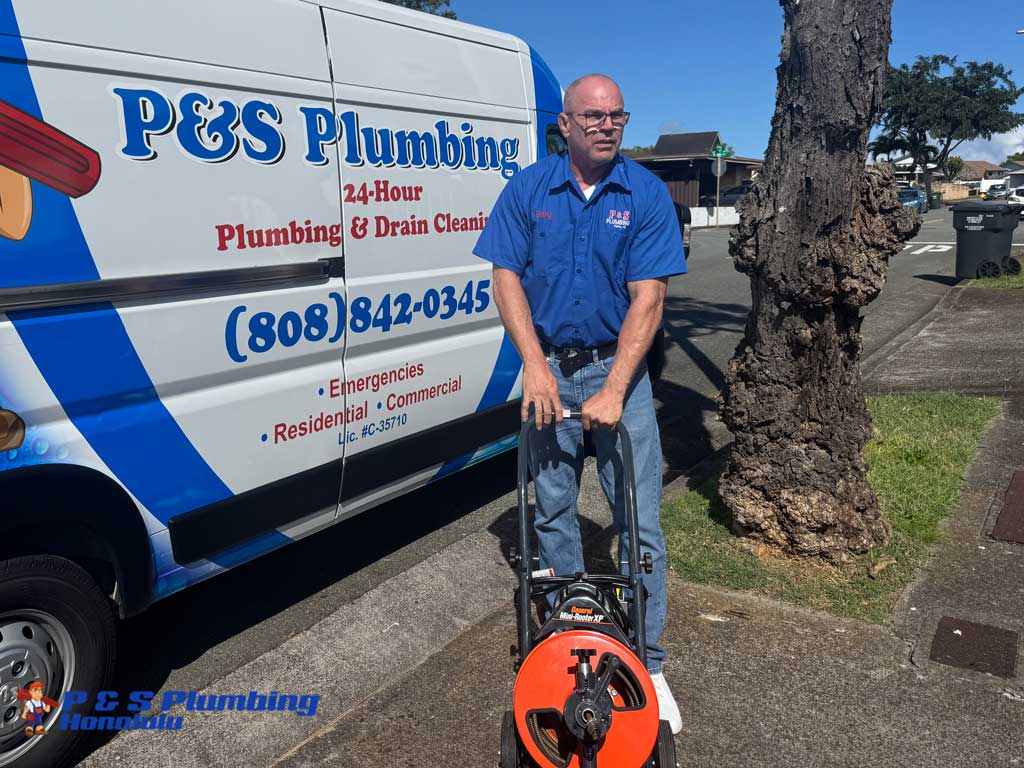
Commercial clients are also more likely to encounter projects where permit thresholds and inspection requirements matter. State guidance says licensed contractors should be hired for projects over $1,500 in labor and materials or for any project needing a plumbing permit. In practical terms, many commercial jobs will brush up against one or both triggers sooner than a small residential service call would.
Continuing competency is part of the picture
Customers do not usually ask how a plumber stays current after getting licensed, but it is a fair question. Hawaii currently requires licensed plumbers on active status to show proof of continuing competency in the 2021 Uniform Plumbing Code to renew their licenses for the July 1, 2024 to June 30, 2027 licensing period.
That requirement matters because plumbing codes are not frozen in time. Standards evolve, and the renewal process can require current competency. For a customer, this is another reason verification has real substance behind it. You are not just checking whether someone once qualified years ago. You are confirming whether the license is current within a system that includes renewal and competency requirements.
It would be a mistake to overstate what this guarantees. A current license does not tell you everything about customer service, scheduling discipline, or how cleanly a crew leaves the site. But it does tell you that the trade work sits inside a state-regulated structure with renewal expectations and, in the case of active plumbers, continuing competency tied to the code cycle identified by the state.
How to think about the “near me” decision without overcomplicating it
Most people do not want a lecture when they need plumbing help. They want a sane way to make a decision. The easiest approach is to treat license verification as one of the first screens, not the last. Do it before you get deep into pricing discussions or schedule coordination.
Here are five questions worth asking when choosing a plumber Oahu property owners can rely on:
- What is your license information, so I can verify it?
- Is the license current, and when does it expire?
- Will licensed plumbers perform the actual plumbing work?
- Does this job require a plumbing permit?
- If the scope expands, are you able to handle the permitted work properly?
That conversation alone often tells you a lot. A professional company should not act offended by basic verification. In regulated trades, informed customers are part of the normal landscape.
What careful customers get right
The strongest pattern I see among careful customers is not technical knowledge. It is discipline. They do not assume that a friendly voice, a quick arrival, or a low estimate replaces verification. They understand that plumbing problems have a way of expanding once walls open, clogs clear, or leaks are traced to their source.
That mindset pays off whether you are hiring for water heater repair, leak detection, drain cleaning, sewer line repair, or a broader commercial plumber assignment. It also helps whether the search starts with plumber near me, plumber Honolulu, or plumber Oahu. The geography helps you find candidates. Verification helps you judge them.
Hawaii gives consumers a practical way to check license status, expiration, and disciplinary history through official state tools. The state also makes clear that actual plumbing work must be performed by licensed plumbers, and that licensed contractors should be hired for permit-triggering jobs or projects above the stated cost threshold. Honolulu’s rules add the local reality that permitted plumbing and drainage work is inspected for compliance, and local FAQs reinforce that plumbing work must be performed by contractors licensed by the State of Hawaii.
Those are not abstract legal details. They shape what competent hiring looks like. When water is leaking, drains are backing up, or hot water disappears, fast help matters. Verified help matters more.